EN DIRECT, Gaza : après la libération des 20 derniers otages vivants, Israël dit avoir relâché 1 968 prisonniers palestiniens

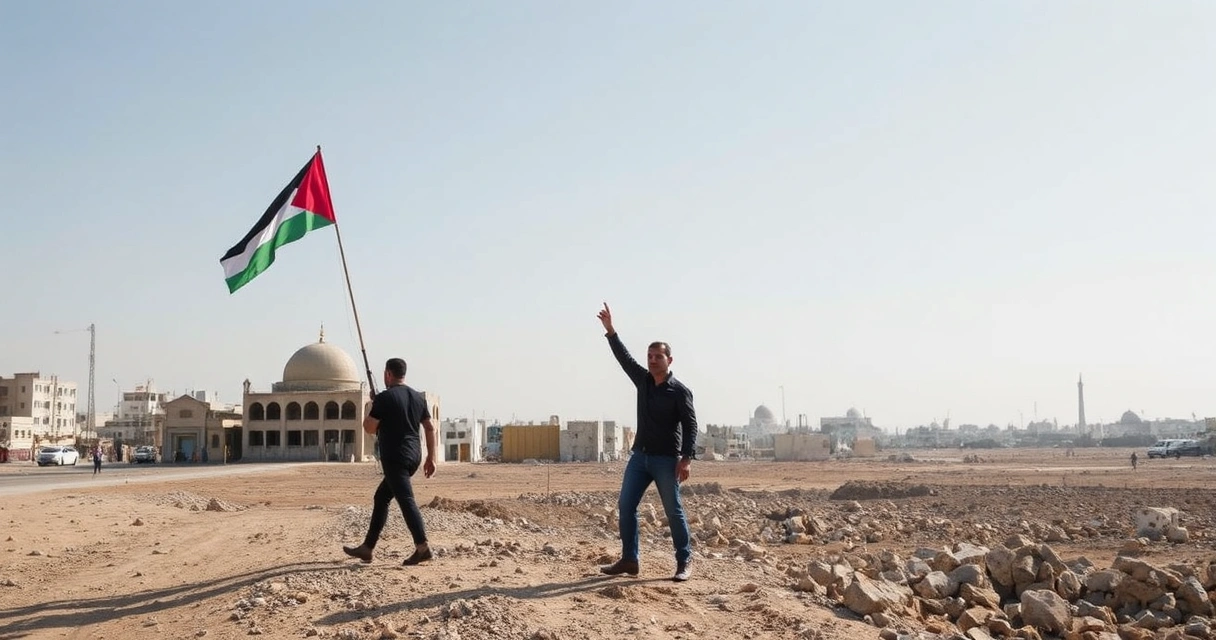
EN DIRECT, Gaza : après la libération des 20 derniers otages vivants, Israël dit avoir relâché 1 968 prisonniers palestiniens EN DIRECT, Gaza : après la libération des 20 derniers otages vivants, Israël dit avoir relâché 1 968 prisonniers palestiniens captures a major development in the ongoing conflict and negotiation dynamics between Israel and Hamas. This report synthesizes the latest verified facts, humanitarian implications, and practical guidance for journalists, humanitarian actors, and policy analysts tracking the situation in Gaza. Ilustração visual representando gaza In this article you will learn who is involved, what has been confirmed so far – including the publication by Hamas of names of four Israeli hostages whose bodies are to be returned and the confirmation that two bodies were recovered by the Red Cross in Gaza – and how to interpret official statements and humanitarian reports. Read on for clear, actionable guidance and recommended next steps for stakeholders and the public. Call to action: stay informed through verified channels, support humanitarian access, and follow transparent reporting practices when sharing developments. Benefits and advantages of transparent reporting and verified exchanges When complex events like prisoner releases and hostage recoveries occur, transparent communication and rigorous verification deliver multiple advantages across humanitarian, diplomatic, and public domains. – Humanitarian clarity: Verified confirmations reduce confusion for families of hostages and improve the ability of aid organizations to plan emergency response. – Diplomatic leverage: Transparent records of exchanges can facilitate future negotiations by establishing precedent and demonstrating compliance with agreed terms. – Security and accountability: Clear documentation of who was released or recovered helps prevent misinformation and holds parties accountable for the treatment of otages and prisonniers palestiniens. – Media credibility: Journalists who rely on multiple verified sources build trust with audiences and limit the spread of unverified claims. For example, the recent confirmation that two bodies were recovered by the International Committee of the Red Cross (ICRC) in Gaza and that Hamas published four names demonstrates how cross-checks between the parties, the ICRC, and military sources can produce a coherent account of events. Assista esta análise especializada sobre EN DIRECT, Gaza : après la libération des 20 derniers otages vivants, Israël dit avoir relâché 1 968 prisonniers palestiniens How-to steps or process for verifying and reporting developments Professionals working on this story should follow a clear, methodical process to ensure accuracy and safety. Step 1 – Gather primary confirmations – Request direct statements from the ICRC, Israeli military spokespeople, and representatives of Hamas when possible. – Prioritize official lists, press releases, and documented handover protocols over anonymous social media posts. Step 2 – Cross-check names and statuses – Match names published by Hamas with ICRC records and Israel Defense Forces notifications to verify identities and condition. – Confirm whether recovered individuals are living or deceased, and whether next-of-kin have been notified. Step 3 – Verify location and chain of custody – Document where recoveries or releases occurred, who transported the individuals, and which humanitarian actors were present. – Record time-stamped evidence such as official handover logs and independent witness statements. Step 4 – Publish responsibly – When reporting sensitive information about otages or prisonniers palestiniens, avoid releasing unverified personal details that could endanger families or violate privacy. – Use clear language to distinguish confirmed facts from claims and provide source attribution for each assertion. Applying these steps reduces the risk of spreading inaccurate information about the status of hostages and the reported release of 1 968 prisonniers palestiniens, and helps ensure that stakeholders receive reliable updates. Best practices for journalists, humanitarian actors, and policymakers Adhering to best practices improves outcomes for affected communities and supports credible international engagement. – Prioritize humanitarian actors: Ensure the ICRC and other neutral agencies have unhindered access to confirm recoveries and to deliver medical and psychosocial support. – Maintain source diversity: Use multiple independent confirmations before publishing key claims, especially regarding the condition of otages or the exact number of released prisonniers palestiniens. – Preserve dignity: When reporting on deceased individuals, secure family consent before publishing images or identifying details. – Archive documentation: Keep copies of handover records, official lists, and communications to support future accountability and historical records. – Coordinate messaging: Humanitarian and diplomatic actors should align public communications to avoid contradictory statements that undermine trust. Practical example – a coordinated handover: In a recent exchange, the ICRC supervised the transportation of recovered bodies from Gaza. The presence of neutral observers and clear documentation expedited the process and minimized disputes over chain-of-custody. Common mistakes to avoid Avoiding common errors prevents harm to families and reduces misinformation. – Relying on a single unverified source: Publishing claims based on a single social media post can propagate falsehoods about otages or prisoner counts. – Mixing claims and facts: Presenting allegations as verified facts undermines credibility and may inflame tensions. – Disclosing sensitive personal information: Revealing locations, medical conditions, or identities without consent can endanger survivors and relatives. – Failing to update: Not correcting previously published inaccuracies promptly harms trust and harms those affected by the information. – Ignoring humanitarian protocols: Skipping established procedures for handovers can create legal and ethical complications for agencies involved. Example of a damaging mistake: A broadcaster that reported the total number of released prisonniers palestiniens without specifying sources contributed to public confusion when the military later adjusted the figure. Clear sourcing and timely corrections would have mitigated this. Actionable tips and recommendations – For journalists: Use a verification checklist for every update: source, timestamp, supporting documents, and independent confirmation. – For humanitarian agencies: Prioritize psychological support and family tracing services immediately after any confirmed release or recovery. – For policymakers: Leverage international mechanisms to ensure safe corridors for humanitarian operations and monitor compliance with exchange agreements. – For the public: Follow reputable outlets and official channels like the ICRC, the Israeli army, and accredited news services to receive verified updates about otages and prisonniers palestiniens. Context and implications The announcement that follows the release of the last living hostages carries broader consequences for Gaza, israël, and