Donald Trump

News

Trump revela mensagem privada de Rutte elogiando compromisso militar da Europa antes da cúpula da OTAN
Trump Revela Mensagem Privada de Rutte Elogiando Compromisso Militar da Europa Antes da Cúpula da OTAN Recentemente, a atenção mundial voltou-se para uma nova revelação feita pelo ex-presidente dos Estados Unidos, Donald Trump. Em uma publicação que rapidamente se espalhou pelas redes sociais e veículos de comunicação, Trump divulgou uma mensagem privada do primeiro-ministro holandês, Mark Rutte, na qual ele elogiava o compromisso militar da Europa. Este acontecimento ocorreu em um momento crucial, próximo à cúpula da OTAN, onde as discussões sobre gastos militares e segurança coletiva estão em alta. Ilustração visual representando trump O compromisso militar da Europa tem sido um tema recorrente nas agendas internacionais, especialmente em relação às exigências dos Estados Unidos para que os países da OTAN aumentem seus investimentos em defesa. Rutte, em sua mensagem, destacou os esforços feitos para alcançar a meta de 5% do PIB em gastos militares, um objetivo ambicioso que reflete a crescente preocupação com a segurança global e a necessidade de uma Europa mais autônoma em termos de defesa. O Contexto da Cúpula da OTAN A cúpula da OTAN é um evento que reúne líderes de vários países membros da organização com o objetivo de discutir e planejar estratégias de defesa e segurança. Em um mundo cada vez mais instável, o papel da OTAN se torna essencial, e as expectativas em torno de suas reuniões são altas. O compromisso com os gastos militares é uma das principais pautas, especialmente em um cenário onde a Rússia e outras potências estão demonstrando posturas mais agressivas. A Importância do Compromisso Militar da Europa O compromisso militar da Europa é vital para garantir a segurança do continente e, por extensão, do mundo ocidental. A meta de 5% do PIB representa um esforço significativo para fortalecer as capacidades de defesa dos países europeus. Esse aumento nos gastos não apenas melhora a prontidão militar, mas também assegura que a Europa possa agir de forma independente em situações de crise. 🎥 Assista esta análise especializada sobre Trump revela mensagem privada de Rutte elogiando compromisso militar da Europa antes da cúpula da OTAN Repercussões da Revelação de Trump A divulgação da mensagem de Rutte por Trump trouxe à tona debates sobre a transparência e a diplomacia nas relações internacionais. Muitos analistas argumentam que essa ação pode ter um impacto negativo nas relações entre os EUA e a Europa, enquanto outros defendem que é uma maneira de pressionar os aliados a cumprirem suas promessas em relação aos gastos militares. Reações de Líderes Europeus A reação dos líderes europeus à divulgação da mensagem foi mista. Alguns expressaram apoio ao compromisso militar e reconheceram a importância de manter diálogos abertos sobre o assunto. Outros, no entanto, criticaram Trump por expor uma conversa privada, alegando que isso poderia gerar desconfiança e prejudicar a colaboração entre os países da OTAN. Gastos Militares: Um Compromisso Necessário O aumento dos gastos militares na Europa não é apenas uma resposta às pressões externas, mas uma necessidade interna. A crescente instabilidade geopolítica, especialmente em relação à Rússia, tem levado os países europeus a reavaliar suas políticas de defesa. O compromisso de atingir 5% do PIB em gastos militares é visto como um passo crucial para garantir a segurança e a soberania dos países membros da OTAN. Desafios na Implementação dos Gastos Embora o objetivo de 5% do PIB em gastos militares seja ambicioso, a implementação desse compromisso enfrenta diversos desafios. Entre eles, podemos destacar: Resistência Política: Alguns países enfrentam resistência interna para aumentar os gastos em defesa, especialmente em tempos de crise econômica. Prioridades em Conflito: Os orçamentos nacionais muitas vezes têm outras prioridades que competem com os gastos militares, como saúde e educação. Coordenação Internacional: A necessidade de uma abordagem coordenada entre os países da OTAN pode dificultar a implementação de políticas de defesa eficazes. Impacto na Relação EUA-Europa A relação entre os Estados Unidos e a Europa tem sido uma das alianças mais importantes do mundo pós-Segunda Guerra Mundial. No entanto, a divulgação da mensagem de Rutte por Trump pode ter implicações significativas nessa relação. A pressão para aumentar os gastos militares pode ser vista como uma tentativa dos EUA de reafirmar sua liderança na OTAN, mas também pode gerar ressentimentos entre os aliados europeus. Perspectivas Futuras À medida que a cúpula da OTAN se aproxima, as expectativas em torno do compromisso militar da Europa continuam a crescer. A mensagem de Rutte, agora pública, poderá influenciar as discussões e negociações que ocorrerão durante o evento. É crucial que os líderes europeus se unam para enfrentar os desafios de segurança do século XXI, promovendo um diálogo aberto e produtivo. FAQ 1. O que é a cúpula da OTAN? A cúpula da OTAN é um encontro de líderes dos países membros da organização, onde são discutidas questões de segurança e defesa coletiva. 2. Qual é a meta de gastos militares estabelecida pela OTAN? A meta é que os países membros da OTAN alcancem 2% do PIB em gastos militares, embora alguns líderes, como Rutte, tenham mencionado a ambição de 5%. 3. Por que Trump divulgou a mensagem de Rutte? Trump divulgou a mensagem como parte de uma estratégia para pressionar os países europeus a cumprirem suas promessas em relação aos gastos militares. 4. Quais são os principais desafios para aumentar os gastos militares na Europa? Os principais desafios incluem resistência política, prioridades em conflito e a necessidade de coordenação internacional. 5. Qual é a importância do compromisso militar da Europa? O compromisso militar é vital para garantir a segurança do continente e aumentar a autonomia da Europa em questões de defesa. Conclusão A revelação da mensagem de Mark Rutte por Donald Trump destaca a complexidade das relações internacionais e a importância do compromisso militar da Europa em um cenário global incerto. Com a cúpula da OTAN se aproximando, é fundamental que os líderes europeus se unam para enfrentar os desafios de segurança, garantindo que o continente esteja preparado para as ameaças do futuro. O aumento dos gastos militares, embora desafiador, é um passo necessário para fortalecer
News

Irã alerta sobre consequências duradouras de ataques dos EUA enquanto Trump promete destruir locais nucleares

Irã Alerta sobre Consequências Duradouras de Ataques dos EUA Enquanto Trump Promete Destruir Locais Nucleares Recentemente, uma onda de tensões entre o Irã e os Estados Unidos tomou conta do cenário internacional. O governo iraniano emitiu um alerta sobre as possíveis consequências duradouras resultantes dos ataques realizados pelos Estados Unidos, enquanto o ex-presidente Donald Trump fez declarações bombásticas prometendo obliterar locais nucleares iranianos. Essa situação não só levanta preocupações sobre a segurança na região do Oriente Médio, mas também suscita questões sobre as repercussões globais que esses conflitos podem gerar. Ilustração visual representando irã Este artigo busca explorar as declarações feitas por ambas as partes, as possíveis consequências de um conflito armado, além de analisar os impactos que essa tensão pode ter a curto e longo prazo. A seguir, discutiremos a natureza dos ataques, as reações do Irã e as promessas de Trump, assim como a resposta da comunidade internacional a essa escalada de hostilidades. Contexto Histórico das Relações Irã-EUA As relações entre o Irã e os Estados Unidos sempre foram marcadas por altos e baixos, desde a Revolução Islâmica de 1979 até os dias atuais. O Irã, sob o regime dos aiatolás, se tornou adversário dos EUA, especialmente após a tomada da embaixada americana em Teerã. Desde então, a desconfiança e a hostilidade têm permeado as interações bilaterais, culminando em sanções econômicas e conflitos armados em diversas ocasiões. As sanções e o programa nuclear Um dos principais pontos de discórdia entre os dois países é o programa nuclear iraniano. Os EUA e seus aliados acusam o Irã de desenvolver armas nucleares sob o disfarce de um programa civil, enquanto o governo iraniano afirma que seu objetivo é puramente pacífico. Isso resultou em uma série de sanções econômicas que afetaram profundamente a economia iraniana e aumentaram as tensões. 🎥 Assista esta análise especializada sobre Irã alerta sobre consequências duradouras de ataques dos EUA enquanto Trump promete destruir locais nucleares Ameaças e Respostas: O que disse o Irã? Em resposta às ameaças de Donald Trump, o Irã declarou que qualquer ataque militar teria “consequências duradouras” para os EUA e seus aliados. Autoridades iranianas ressaltaram que a nação não hesitará em defender sua soberania e integridade territorial. O ministro das Relações Exteriores do Irã, Hossein Amir-Abdollahian, foi enfático ao afirmar que a resposta do país seria proporcional e devastadora. O discurso da resistência O governo iraniano tem promovido um discurso de resistência, enfatizando a determinação do povo iraniano em se opor às ameaças externas. Essa retórica busca fortalecer a unidade nacional e justificar ações que podem ser interpretadas como agressivas no cenário internacional. As Promessas de Trump e suas Implicações Em meio a esse clima de tensão, Donald Trump, ex-presidente dos EUA, fez declarações inflamadas prometendo que se voltaria a um possível conflito, locais nucleares no Irã seriam “obliterados”. Essa retórica não só agrava as tensões já existentes, mas também levanta questões sobre a política externa dos EUA e suas implicações na segurança global. Impacto nas relações internacionais As promessas de Trump podem ter um efeito cascata nas relações dos EUA com outros países, especialmente aqueles aliados ao Irã, como a Rússia e a China. A escalada de hostilidades pode resultar em uma reconfiguração das alianças geopolíticas, potencialmente aumentando o risco de um conflito militar direto. Possíveis Consequências de um Conflito Armado Um conflito armado entre Irã e EUA traria consequências devastadoras não apenas para ambos os países, mas para toda a região do Oriente Médio e além. As implicações incluem: Perdas Humanas: Conflitos armados geralmente resultam em altas taxas de mortalidade civil e militar. Desestabilização Regional: A guerra no Oriente Médio poderia desestabilizar países vizinhos, aumentando a crise de refugiados e os fluxos migratórios. Impacto Econômico: O aumento das sanções e a interrupção do comércio afetariam não apenas os países envolvidos, mas também as economias globais. Escalada Nuclear: A possibilidade de um conflito nuclear, embora remota, não pode ser descartada, especialmente com a retórica agressiva de ambos os lados. Reação Internacional: A comunidade internacional pode se envolver para tentar mediar o conflito, mas isso também pode resultar em tensões adicionais e novos conflitos de interesse. FAQ – Perguntas Frequentes Qual é a origem do conflito entre Irã e EUA? O conflito remonta à Revolução Islâmica de 1979, quando o Irã se tornou um regime adversário dos EUA, especialmente após a crise da embaixada. O que motivou as recentes ameaças de Trump? As ameaças de Trump surgem em um contexto de aumento das tensões sobre o programa nuclear do Irã e ataques atribuídos a forças iranianas na região. Quais são as possíveis consequências de um ataque militar dos EUA ao Irã? As consequências incluem perdas humanas, desestabilização regional, impacto econômico global e risco de escalada nuclear. Como a comunidade internacional está reagindo a essa situação? A comunidade internacional se mostra preocupada com a escalada de tensões, e há esforços de mediação, mas a situação continua delicada. O Irã tem o apoio de outros países na sua posição contra os EUA? Sim, o Irã conta com apoio de países como Rússia e China, que contestam a postura dos EUA na região e suas sanções. Conclusão As recentes declarações do Irã e de Donald Trump acentuam a necessidade de uma análise cuidadosa sobre as relações internacionais e as consequências de um eventual conflito armado. A retórica agressiva de ambos os lados não apenas exacerba as tensões já existentes, mas também gera incertezas sobre o futuro da segurança no Oriente Médio e na política global. A comunidade internacional deve permanecer atenta e buscar soluções diplomáticas que evitem um cenário de guerra, promovendo a paz e a estabilidade na região. 📰 Fonte Original Este artigo foi baseado em informações de: https://news.google.com/rss/articles/CBMif0FVX3lxTE9Bd3JDeEhSSUZhY3kwUGxBajBXdmpocWJ5WXFOb0dGWEFIaTJaa2tVZTRnRk02Q0dpYXJoT0FNbTlBX1BLemRDV203eUtXd2hiakFIQ2RwYkZHM1k5TjdSLUN3RFFOUE43OWVxRktHYjllbzJxYWkyRV9STUpjSms?oc=5

News

Trump Finalizes UK-US Tariff Deal, Slashing Prices on Key Imports

Trump Finalizes UK-US Tariff Deal, Slashing Prices on Key Imports In a significant move that could reshape transatlantic trade dynamics, former President Donald Trump has finalized a landmark tariff deal between the United States and the United Kingdom. This agreement marks a substantial reduction in tariffs on various key imports, particularly focusing on the automotive sector. As both nations navigate the post-Brexit landscape, this pact is designed to bolster economic relations while providing consumers with access to more affordable goods. Ilustração visual representando trump The UK-US tariff deal comes at a time when both economies are looking for ways to stimulate growth and recover from the economic impacts of the COVID-19 pandemic. By slashing tariffs on key imports, including cars, the agreement is expected to not only benefit consumers but also encourage trade between the two nations. In the following sections, we will explore the details of this deal, its implications for consumers and businesses, and the broader economic context. Understanding the UK-US Tariff Deal The UK-US tariff deal represents a strategic collaboration aimed at enhancing bilateral trade while reducing barriers that have historically hindered economic exchange. By lowering tariffs on certain goods, the agreement seeks to create a more favorable trading environment that can stimulate growth on both sides of the Atlantic. Key Components of the Deal Reduction of Tariffs: The deal focuses on slashing tariffs on various goods, particularly automobiles, which are a significant import for the US market. Enhanced Trade Relations: This agreement is seen as a step towards strengthening the overall trade relationship between the US and the UK, especially in a post-Brexit context. Consumer Benefits: With reduced tariffs, consumers can expect lower prices on imported goods, making them more accessible. Market Expansion: The deal provides opportunities for UK manufacturers to expand their market presence in the US. 🎥 Assista esta análise especializada sobre Trump Finalizes UK-US Tariff Deal, Slashing Prices on Key Imports The Impact on the Automotive Sector One of the most notable aspects of the UK-US tariff deal is its impact on the automotive sector, where tariffs are set to be significantly reduced. Cars are one of the largest categories affected by this agreement, which could lead to a shift in market dynamics. Benefits for Consumers The reduction in tariffs on cars is likely to result in lower prices for consumers in the US. This could lead to increased competition among car manufacturers, both foreign and domestic, which may further drive down prices and improve the quality of vehicles available in the market. Opportunities for UK Manufacturers UK automotive manufacturers stand to gain significantly from this agreement. With lower tariffs, they can export their vehicles to the US market more competitively, helping them recover from the economic downturn caused by the pandemic. This is particularly crucial for brands that have a strong presence in both markets. Broader Economic Implications The UK-US tariff deal is not just about cars; its implications extend to various sectors of the economy. By fostering a more open trading environment, both nations can expect several economic benefits. Job Creation and Economic Growth As trade barriers are lowered, businesses may experience increased demand for their products, leading to job creation in both countries. This is particularly important for regions heavily reliant on manufacturing, as it can help revitalize local economies. Potential Challenges and Concerns While the deal presents numerous benefits, it is not without its challenges. There are concerns regarding the potential for increased competition to affect domestic manufacturers adversely. Policymakers will need to strike a balance between fostering trade and protecting local industries. Future Prospects for UK-US Trade Relations The successful implementation of the tariff deal could pave the way for further negotiations and agreements between the US and the UK. As both nations continue to adapt to changing global dynamics, the focus will likely shift toward establishing comprehensive trade agreements that encompass a wider range of sectors. Exploring Additional Trade Agreements With the groundwork laid by the current tariff deal, both countries may explore additional trade agreements that can further enhance economic collaboration. This could include agreements on services, digital trade, and investment, which are increasingly vital in a digital-first economy. Monitoring Economic Indicators As the deal unfolds, economic indicators such as trade volumes, consumer prices, and employment rates will be critical metrics to monitor. These indicators will provide valuable insights into the effectiveness of the tariff reductions and their impact on both economies. Frequently Asked Questions (FAQ) 1. What goods are affected by the UK-US tariff deal? The deal primarily focuses on reducing tariffs on cars and other key imports, although it may include additional goods as negotiations continue. 2. How will this deal affect car prices in the US? Consumers can expect lower car prices due to reduced tariffs, which will increase competition and potentially enhance the quality of vehicles available in the market. 3. What are the economic implications of the UK-US tariff deal? The agreement is expected to create jobs, stimulate economic growth, and foster a more favorable trading environment between the two nations. 4. Are there any risks associated with the tariff deal? Yes, there are concerns about increased competition potentially harming domestic manufacturers. Policymakers will need to find a balance between trade and protectionism. 5. What does this deal mean for future trade relations between the US and the UK? The successful implementation of this deal could lead to further negotiations and agreements that expand the scope of trade between the two countries. Conclusion In conclusion, the finalized UK-US tariff deal represents a significant step forward in strengthening economic ties between the two nations. By slashing tariffs on key imports, particularly in the automotive sector, the agreement aims to benefit consumers and manufacturers alike. As both countries navigate the complexities of post-Brexit trade, the long-term success of this deal will depend on careful monitoring and potential future agreements. With the right approach, the UK-US tariff deal has the potential to be a catalyst for economic growth and collaboration in the years

News

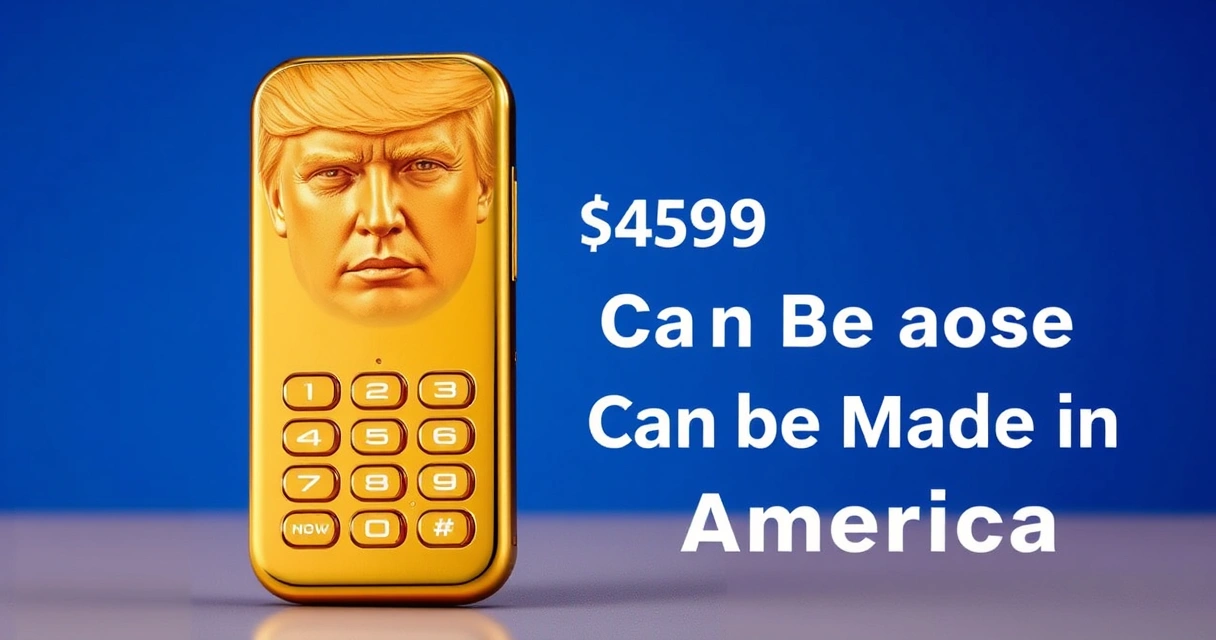
Experts Doubt $499 Gold Trump Phone Can Be Made in America

Experts Doubt $499 Gold Trump Phone Can Be Made in America In a move that has garnered both interest and skepticism, the Trump family has announced the launch of a new product: the $499 Gold Trump Phone. This venture aims to capitalize on the brand power associated with Donald Trump, the former President of the United States. However, this ambitious product has raised a myriad of questions, particularly concerning its manufacturing origins and the feasibility of producing such a device in America. Ilustração visual representando gold trump phone With the American manufacturing sector facing both challenges and opportunities, the skepticism surrounding the Gold Trump Phone is not unwarranted. Experts have voiced concerns about the viability of producing a smartphone that meets both quality and cost standards within the United States. This article will delve into the details of the Gold Trump Phone, explore the implications of its branding strategy, and assess the skepticism surrounding its production in America. The Concept Behind the Gold Trump Phone The Gold Trump Phone is positioned as a luxury smartphone that features a gold exterior and is meant to attract supporters of Donald Trump and those who appreciate high-end tech products. The phone is marketed as a unique blend of technology and politics, designed to appeal to a specific demographic that resonates with Trump’s brand. However, the question arises: is there a viable market for such a product? Target Audience The primary target audience for the Gold Trump Phone includes: Trump supporters looking for memorabilia Tech enthusiasts interested in unique and luxurious gadgets Collectors of novelty items associated with celebrity figures Features and Specifications While specific details about the features and specifications of the Gold Trump Phone are sparse, it is expected to include standard smartphone functionalities such as: High-resolution camera Advanced security features Customizable Trump-themed user interface 🎥 Assista esta análise especializada sobre Experts Doubt $499 Gold Trump Phone Can Be Made in America The Challenges of Manufacturing in America One of the central points of skepticism regarding the Gold Trump Phone is the assertion that it can be produced in America. Manufacturing a smartphone domestically presents numerous challenges, particularly in terms of cost, supply chains, and resource availability. Cost Implications Manufacturing in the United States tends to incur higher labor and operational costs compared to countries with established production facilities for electronics, such as China. This raises questions about the profitability of a $499 price point for a luxury smartphone. Experts suggest that to maintain a competitive edge, the phone may need to be priced significantly higher, which could deter potential buyers. Supply Chain Issues The smartphone industry relies heavily on a complex global supply chain for components such as processors, displays, and batteries. The ability to procure these components from American suppliers remains questionable, as many key parts are typically sourced from international markets. Even if the Gold Trump Phone were assembled in America, the reliance on foreign suppliers could diminish its “Made in America” appeal. Product Skepticism and Consumer Perception Consumer skepticism surrounding the Gold Trump Phone is palpable. Many people are questioning the quality and practicality of a smartphone that primarily serves as a branding vehicle. In an age where technology is rapidly evolving, consumers tend to prioritize functionality and reliability over branding alone. Branding Strategy Analysis The Trump family’s branding strategy appears to be a double-edged sword. While leveraging Donald Trump’s name can create immediate interest and visibility, it also invites scrutiny and criticism. It is crucial to assess whether the brand can deliver a product that meets or exceeds consumer expectations. Expected Reception Market analysts predict a mixed reception for the Gold Trump Phone. While it may appeal to a niche market of loyal Trump supporters, tech-savvy consumers may be less inclined to invest in a product that lacks a proven track record. The perception of the phone as a mere gimmick could hinder its success in a competitive market. Conclusion The launch of the $499 Gold Trump Phone serves as an intriguing case study in branding and consumer behavior. While the intention behind the product is clear, the skepticism surrounding its production in America raises significant concerns. Given the challenges of domestic manufacturing, high costs, and the complexities of the supply chain, it remains to be seen whether this product will succeed or falter in the crowded smartphone market. Ultimately, the success of the Gold Trump Phone will depend on various factors, including consumer reception, manufacturing feasibility, and the ability to deliver a quality product that lives up to its high price tag. As the product nears its release, experts and consumers alike will be watching closely to see how it unfolds. Frequently Asked Questions (FAQs) 1. What is the Gold Trump Phone? The Gold Trump Phone is a luxury smartphone being marketed by the Trump family, designed to appeal to supporters of Donald Trump and tech enthusiasts. 2. Can the Gold Trump Phone be made in America? Experts are skeptical about the feasibility of producing the Gold Trump Phone in America due to high manufacturing costs and reliance on foreign supply chains. 3. What features can we expect from the Gold Trump Phone? While specific details are limited, it is expected to include standard smartphone features such as a high-resolution camera, advanced security, and a customizable user interface. 4. Who is the target audience for the Gold Trump Phone? The target audience includes Trump supporters, tech enthusiasts, and collectors of unique products associated with Donald Trump. 5. What are the concerns about the Gold Trump Phone’s branding strategy? The concerns revolve around whether the brand can deliver a quality product that meets consumer expectations, given the potential perception of the phone as a mere branding gimmick. 📰 Original Source Este artigo foi baseado em informações de: https://www.bbc.com/news/articles/cjrld3erq4eo

News

Trump’s Early G7 Exit: What Strategies Does He Have for Iran?

Trump’s Early G7 Exit: What Strategies Does He Have for Iran? In a surprising move, President Donald Trump departed early from the G7 summit, a decision that has garnered both criticism and support. This exit came amidst a backdrop of escalating tensions with Iran, a nation that has long been at the center of U.S. foreign policy discussions. As Trump continues to advocate for a foreign policy rooted in conflict avoidance, many are questioning what strategies he has in place regarding Iran, particularly as a significant segment of his support base urges him to steer clear of military confrontations. Ilustração visual representando trump The implications of Trump’s early departure from the G7 are profound, especially considering the ongoing geopolitical challenges posed by Iran. His administration has consistently communicated a desire to end what he terms “endless wars,” a sentiment that resonates with a vocal part of his supporters who are wary of further involvement in conflicts abroad. As tensions rise, it becomes essential to analyze Trump’s strategies for Iran, the rationale behind his diplomatic maneuvers, and how these actions fit within the broader context of U.S. foreign policy. Understanding Trump’s Foreign Policy Approach Trump’s foreign policy has often been characterized by a distinct departure from traditional approaches. His administration has favored direct negotiations, a focus on bilateral agreements, and a significant reduction in military interventions. This strategy reflects his commitment to fulfilling campaign promises to end prolonged military engagements and prioritize American interests. The “America First” Doctrine At the heart of Trump’s foreign policy is the “America First” doctrine. This approach emphasizes national sovereignty and prioritizes American economic interests over global obligations. In the context of Iran, this has translated into a more aggressive stance regarding sanctions and a reluctance to engage in military conflict, despite the provocations from Tehran. Conflict Avoidance as a Key Strategy Conflict avoidance has become a cornerstone of Trump’s foreign policy, particularly as it relates to Iran. The president has expressed a desire to negotiate rather than engage in warfare, believing that diplomacy can yield better results for the U.S. than military action. This approach has been met with mixed reactions, as some argue that a strong stance against Iran is necessary to deter aggression, while others support Trump’s inclination to seek peaceful solutions. 🎥 Assista esta análise especializada sobre Trump’s Early G7 Exit: What Strategies Does He Have for Iran? The Current State of U.S.-Iran Relations The relationship between the U.S. and Iran has been fraught with tension, particularly following the U.S.’s withdrawal from the Joint Comprehensive Plan of Action (JCPOA) in 2018. Since then, sanctions have been re-imposed on Iran, leading to increased hostilities and a series of retaliatory actions from both sides. Sanctions and Economic Pressure One of Trump’s primary strategies has involved the imposition of stringent economic sanctions aimed at crippling Iran’s economy. By targeting key sectors, such as oil exports and banking, the administration hopes to bring Iran to the negotiating table. The long-term goal is to enforce a new deal that would limit Iran’s nuclear ambitions and curb its regional influence. Military Posturing Without Engagement While Trump has shown a preference for avoiding military engagements, he has also maintained a position of military readiness. This dual approach aims to deter Iranian aggression while signaling that the U.S. is prepared to protect its interests and allies in the region. The deployment of additional troops to the Middle East and the presence of naval forces in the Persian Gulf serve as reminders of U.S. capabilities without committing to direct conflict. Support for Diplomatic Solutions Trump’s exit from the G7 summit aligns with his tendency to seek diplomatic avenues over military solutions. This approach reflects a growing realization within his administration that a stable resolution with Iran could yield significant benefits for U.S. foreign policy. Engagement Through Backchannel Communications Backchannel communications have become a vital tool in Trump’s strategy for Iran. Through informal talks and discreet negotiations, the administration aims to establish a dialogue that could pave the way for formal discussions. This method allows both parties to explore potential solutions without the pressures of public scrutiny. Leveraging Allies for Support Another key aspect of Trump’s diplomatic strategy is leveraging relationships with allies. European partners, who continue to support the JCPOA, play a crucial role in shaping the dialogue surrounding Iran. By working collaboratively with allies, the U.S. can present a united front that may encourage Iran to reconsider its posture. The Role of Domestic Politics in Foreign Policy Decisions Domestic politics significantly influence Trump’s foreign policy decisions, particularly concerning Iran. With a vocal part of his support base advocating for conflict avoidance, the president must balance these sentiments with the need to project strength on the international stage. Public Sentiment Against Military Engagement Polling data indicates that a substantial portion of the American populace is opposed to military involvement in Iran. This public sentiment plays a critical role in shaping Trump’s strategies, as he seeks to maintain support among his base while navigating complex international challenges. The desire to avoid “another endless war” resonates deeply with voters who prioritize domestic issues. Implications for the 2024 Presidential Election As the 2024 presidential election approaches, Trump’s foreign policy decisions concerning Iran will likely be scrutinized by both supporters and opponents. A successful diplomatic resolution could bolster his standing, while any signs of military escalation could lead to public backlash. Thus, navigating the intricate dynamics of U.S.-Iran relations will remain a pivotal aspect of his campaign strategy. Key Points to Consider Trump’s early exit from the G7 summit signals a potential shift in focus from multilateralism to bilateral negotiations. Conflict avoidance is a central theme of Trump’s foreign policy, particularly concerning Iran. Economic sanctions remain a primary tool in U.S. strategy to compel Iran to negotiate. Diplomatic solutions through backchannel communications are being pursued to foster dialogue with Iran. Domestic political considerations heavily influence Trump’s foreign policy decisions regarding military engagement. Frequently Asked Questions (FAQ) 1. Why did Trump leave the G7 summit

News

Trump’s Brief G7: Trade Talks, Family Moments, and Middle East Tensions

Trump’s Brief G7: Trade Talks, Family Moments, and Middle East Tensions The recent G7 summit held in Europe was marked by significant international discussions, trade negotiations, and an atmosphere fraught with geopolitical tensions, particularly in the Middle East. U.S. President Donald Trump’s participation at the summit was notably abbreviated due to escalating concerns regarding the Israel-Iran conflict. His decision to cut short his time at the meeting highlighted the urgent need for U.S. engagement in critical foreign policy issues, overshadowing the trade talks and family moments that typically characterize such gatherings. Ilustração visual representando trump This article delves into Trump’s brief, yet impactful presence at the G7, focusing on the trade discussions he engaged in, the emotional family moments that surfaced during the summit, and the significant Middle East tensions that ultimately drove him back to Washington, D.C. Understanding these dynamics helps to shed light on the broader implications for U.S. policy and international relations. Trade Talks: A Focus on Economic Relations Trade discussions at the G7 summit were expected to be a key agenda item, especially in light of ongoing negotiations regarding tariffs, trade agreements, and economic cooperation. President Trump, known for his “America First” approach, aimed to leverage bilateral talks to address trade imbalances and advocate for U.S. interests. Key Trade Issues Addressed Among the primary issues discussed were: Tariffs and Trade Barriers: Trump emphasized the need to eliminate tariffs and trade barriers that hinder U.S. exports. Global Supply Chains: The importance of resilient global supply chains was reiterated, particularly in light of the disruptions caused by the COVID-19 pandemic. China’s Trade Practices: Concerns regarding China’s trade practices were a recurrent theme, with Trump urging allies to take a unified stance against unfair trade tactics. Technology and Digital Trade: Discussions regarding digital trade and the role of technology in shaping economic futures were also prevalent, addressing concerns about data privacy and cybersecurity. While these discussions were crucial, Trump’s abrupt exit from the summit underscored the urgency of other pressing issues, particularly the Israel-Iran conflict, which demanded his immediate attention. 🎥 Assista esta análise especializada sobre Trump’s Brief G7: Trade Talks, Family Moments, and Middle East Tensions Family Moments: A Glimpse into Personal Connections Despite the serious nature of the summit, there were moments that allowed for personal connections and family engagement. President Trump was accompanied by several family members, providing a glimpse of the personal relationships that underscore his presidency. Engagements with Family Members Trump’s interactions with family members during the G7, including his daughter Ivanka Trump and son-in-law Jared Kushner, were not just ceremonial but reflective of the intertwined nature of family and political life. These engagements showcased: Unified Front: The presence of family members illustrated a unified front, reinforcing Trump’s political brand. Personal Relationships: The informal moments shared among family members provided a humanizing aspect to the otherwise high-stakes environment of international diplomacy. Influence on Policy: Ivanka and Jared’s involvement in key policy discussions, especially regarding women’s empowerment and Middle Eastern peace initiatives, highlighted their roles as key advisors. These family dynamics added an emotional layer to the summit, reminding attendees and observers alike that personal relationships can play a significant role in political decision-making. Middle East Tensions: The Israel-Iran Conflict One of the most pressing issues that dominated discussions at the G7 was the escalating tensions between Israel and Iran. The situation has been fraught with conflict, and the U.S. has historically played a crucial role in mediating these tensions. Background of the Conflict The Israel-Iran conflict is characterized by deep-rooted animosities, territorial disputes, and differing ideological perspectives. Recent developments have heightened these tensions, including: Military Escalations: Increased military activity in the region, including missile strikes and air raids, has led to concerns over a potential broader conflict. Diplomatic Relations: The U.S. withdrawal from the Iran nuclear deal and subsequent sanctions have further strained relations. Proxy Conflicts: Iran’s support for proxy groups in Lebanon, Syria, and Gaza has raised alarms in Israel, prompting calls for a robust response. Trump’s decision to leave the G7 early was influenced significantly by these tensions, as the president sought to address the situation directly and reinforce U.S. commitments to Israel. The Implications of Trump’s Early Departure Trump’s early departure from the G7 not only signified a shift in focus back to domestic and international concerns surrounding the Israel-Iran conflict but also raised questions about the U.S.’s position in global diplomacy. The implications of his departure can be analyzed through several lenses: Impact on International Relations 1. **Perception of U.S. Leadership:** Cutting short a major international summit could signal a retreat from multilateral engagement, impacting the U.S.’s standing in global politics. 2. **Regional Stability:** By prioritizing Middle Eastern tensions over trade discussions, the U.S. may be perceived as taking a more interventionist stance, which could either stabilize or further escalate tensions in the region. 3. **Future Diplomatic Engagements:** The decision raises questions about future diplomatic engagements and the U.S.’s willingness to participate in multilateral discussions when critical domestic issues arise. Strategic Considerations Trump’s focus on the Israel-Iran conflict reflects a broader strategy of prioritizing national security and regional allies over economic discussions, which may resonate with his support base but could alienate traditional allies in Europe. Frequently Asked Questions (FAQs) 1. Why did Trump leave the G7 summit early? Trump cut his participation short to address escalating tensions in the Israel-Iran conflict, signaling the urgency of U.S. involvement in Middle Eastern affairs. 2. What were the main topics of discussion at the G7 regarding trade? Key topics included tariffs, trade imbalances, global supply chains, and concerns over China’s trade practices. 3. How did family dynamics play a role in the G7 summit? Trump’s family members participated in discussions, showcasing a unified front and highlighting their influence on certain policy areas. 4. What are the implications of the Israel-Iran conflict for U.S. foreign policy? The conflict impacts U.S. strategic interests in the region and influences diplomatic engagements and military commitments. 5. How does Trump’s approach to trade differ from previous

News

G7 Leaders Advocate for De-Escalation Amidst Tensions Between Israel and Iran

G7 Leaders Advocate for De-Escalation Amidst Tensions Between Israel and Iran The geopolitical landscape in the Middle East has been fraught with tensions, particularly between Israel and Iran. As the two nations navigate a complex relationship marked by historical animosities and contemporary conflicts, international leaders are stepping in to advocate for peace. At the recent G7 summit held in Canada, a joint statement was issued by the leaders of the world’s major economies, calling for de-escalation in this volatile region. Notably, this statement included the sign-off of America’s President Trump, who exited the summit prematurely, which has led to widespread discussions regarding the implications of U.S. foreign policy under his administration. Ilustração visual representando g7 leaders This article delves into the significance of the G7 leaders’ advocacy for de-escalation between Israel and Iran, the context surrounding the summit, and the potential repercussions of these developments on global politics. Understanding the delicate balance of power in the Middle East is crucial for both policymakers and the general public, as the ramifications of these tensions extend far beyond regional borders. The Context of Rising Tensions Between Israel and Iran The relationship between Israel and Iran has been characterized by hostility since the Islamic Revolution in 1979. Iran’s support for militant groups such as Hezbollah and its nuclear ambitions have contributed to an ongoing cycle of threats and military confrontations. Israel perceives Iran as its primary adversary, leading to a series of confrontations that have heightened tensions in the region. Historical Background To understand the current conflict, it’s essential to consider the historical context. Following the establishment of Israel in 1948, relations with its Arab neighbors, including Iran, have been tumultuous. Iran, once an ally of Israel, shifted its stance post-revolution, becoming a vocal opponent. The animosity has only intensified with Iran’s nuclear program and its involvement in regional conflicts. Recent Developments In recent years, military engagements and cyber-attacks have become common occurrences, reflecting a growing rift. The assassination of Iranian nuclear scientist Mohsen Fakhrizadeh in 2020 and Israel’s alleged operations against Iranian assets in Syria are just a few examples of the escalating conflict. The situation is further complicated by the U.S.’s withdrawal from the Iran nuclear deal in 2018 under President Trump, which has led to increased tensions and military posturing from both sides. 🎥 Assista esta análise especializada sobre G7 Leaders Advocate for De-Escalation Amidst Tensions Between Israel and Iran The G7 Summit: A Call for De-Escalation The G7 summit serves as a platform for the world’s leading economies to address pressing global issues. During the latest summit in Canada, the topic of escalating tensions between Israel and Iran emerged as a significant point of discussion. The leaders collectively recognized the need for dialogue and de-escalation to prevent further conflict. Key Points from the Joint Statement The G7 leaders expressed concern over the rising hostilities between Israel and Iran. They emphasized the importance of diplomatic efforts in mitigating tensions. The statement called for all parties to refrain from actions that could escalate the conflict. There was a collective commitment to support peaceful resolutions and uphold international law. The Role of President Trump President Trump’s involvement in the G7 discussions and his subsequent departure from the summit early have sparked conversations about the U.S. role in Middle Eastern diplomacy. His administration has often adopted a hardline stance against Iran, and his early exit raised questions about the commitment of the U.S. to multilateral dialogue. The Potential Impact of G7 Advocacy on Israel-Iran Relations The G7’s advocacy for de-escalation may have several implications for Israel-Iran relations and broader Middle Eastern stability. While the immediate effects are uncertain, several potential outcomes can be anticipated. Strengthening Diplomatic Channels By calling for dialogue, the G7 leaders may encourage both nations to engage in diplomatic discussions, potentially leading to a reduction in hostilities. Historically, diplomatic channels have been crucial in resolving conflicts, and increased international pressure may facilitate negotiations. Influence on Regional Allies The G7’s stance may also influence other regional players. Countries such as Saudi Arabia and the United Arab Emirates may reconsider their own positions and strategies regarding Iran, particularly if they perceive a unified international front advocating for peace. Challenges to Achieving De-Escalation Despite the G7 leaders’ calls for de-escalation, several challenges remain. The entrenched positions of both Israel and Iran complicate the pursuit of peace. Understanding these challenges is essential for evaluating the feasibility of the G7’s objectives. Internal Politics in Israel and Iran The internal political landscapes of both countries play a significant role in their foreign policy decisions. In Israel, there is a strong sentiment against Iran, particularly among right-leaning factions. Similarly, Iran’s government is characterized by hardliners who may resist diplomatic overtures, viewing them as a sign of weakness. Regional Proxy Conflicts The presence of proxy conflicts, such as the ongoing civil war in Syria and tensions in Lebanon, complicates any potential peace process. These conflicts are often fueled by the rivalry between Israel and Iran, making it difficult to achieve a comprehensive resolution. Frequently Asked Questions (FAQs) 1. What is the G7 summit? The G7 summit is an annual meeting of the leaders of seven major advanced economies: Canada, France, Germany, Italy, Japan, the United Kingdom, and the United States. The summit addresses global economic governance, international security, and other pressing global issues. 2. Why are Israel and Iran at odds? The conflict between Israel and Iran stems from historical animosities, ideological differences, and geopolitical interests, particularly regarding Iran’s nuclear program and its support for militant groups opposing Israel. 3. What was President Trump’s role in the G7 summit? President Trump participated in the discussions regarding de-escalation between Israel and Iran but left the summit early, raising questions about U.S. commitment to multilateral diplomacy. 4. How can de-escalation be achieved between Israel and Iran? De-escalation can be pursued through diplomatic negotiations, confidence-building measures, and the involvement of international mediators to facilitate dialogue and resolve disputes. 5. What are the implications of the G7’s advocacy for de-escalation? The

News

“Trump and Musk’s Surprising Alliance: America’s Game-Changer in the Tech Race Against China”

Trump and Musk’s Surprising Alliance: America’s Game-Changer in the Tech Race Against China In a political landscape often defined by division, the unexpected alliance between former President Donald Trump and tech mogul Elon Musk has captured the attention of both the media and the public. Their reconciliation, following a period of rivalry marked by sharp criticisms and public disputes, signals a significant shift in the American approach to the global technology race, particularly against the burgeoning influence of China. As the two figures unite, they bring together Musk’s innovative prowess and Trump’s political clout to forge a new path in the ongoing battle for technological supremacy. Ilustração visual representando trump The emergence of China as a formidable player in the global technology arena has raised alarms in Washington. With advancements in artificial intelligence, telecommunications, and renewable energy, China has positioned itself as a leader in several key sectors. In response, the alliance between Trump and Musk could very well be America’s strategic answer to countering this threat. Together, they may harness their unique strengths to promote American innovation and competitiveness while addressing the challenges posed by China. The Background of the Trump-Musk Feud The relationship between Donald Trump and Elon Musk has been anything but straightforward. Initially, Musk was a vocal supporter of Trump during his presidency, often engaging with him on social media and in public appearances. However, their relationship soured during the COVID-19 pandemic, with Musk criticizing Trump’s handling of the crisis and Trump responding by questioning Musk’s business practices and environmental record. Turning Points in Their Relationship Several key moments marked the deterioration of their alliance: COVID-19 Pandemic: Musk’s insistence on reopening Tesla’s factories in California clashed with state regulations, drawing criticism from Trump. Environmental Concerns: Trump’s withdrawal from the Paris Climate Agreement contrasted with Musk’s commitment to sustainability, leading to public disagreements. Social Media Squabbles: Both figures took to Twitter (now X) to air their grievances, fueling a feud that captivated followers and media outlets alike. 🎥 Assista esta análise especializada sobre “Trump and Musk’s Surprising Alliance: America’s Game-Changer in the Tech Race Against China” The Road to Reconciliation Despite their past conflicts, the need for a united front against China led to an unexpected reconciliation. This shift occurred when both recognized the potential dangers of a fractured American front in the face of external competition. With Musk’s companies like SpaceX and Tesla at the forefront of technological innovation and Trump’s influence in political circles, their alliance promises to bridge the gap between industry and governance. Key Drivers of Their Reconciliation Several factors contributed to the renewal of their relationship: Shared Interests: Both leaders recognize the importance of innovation in maintaining America’s global position. Global Competition: The urgent need to counter China’s technological ascent has created a common goal. Public Sentiment: Americans increasingly support leaders who prioritize technological advancement and national security. The Implications of Their Alliance This newfound partnership has significant implications for both the tech industry and American politics. By aligning their resources and efforts, Trump and Musk can create a more cohesive strategy to address the challenges posed by China’s rapid technological advancements. Potential Areas of Collaboration There are several critical areas where Trump and Musk’s alliance could make a substantial impact: Artificial Intelligence (AI): Developing regulations and fostering innovation in AI to maintain American leadership in this transformative field. Space Exploration: Collaborating on projects that enhance national security and advance human exploration beyond Earth. Green Energy Technologies: Promoting renewable energy solutions to combat climate change while also creating economic opportunities. Challenges Ahead While their alliance could reshape the technological landscape, several challenges loom on the horizon. Trust between the two has to be rebuilt, and external pressures from China will continue to mount. Moreover, navigating the political landscape in an environment marked by partisanship will require strategic positioning and careful communication. Key Challenges to Overcome Trump and Musk will need to address the following challenges: Political Opposition: Resistance from various political factions who may view their alliance with skepticism. Regulatory Hurdles: Navigating the complex web of government regulations that affect the tech industry. Public Perception: Overcoming any lingering doubts from the public regarding their motives and effectiveness. Frequently Asked Questions (FAQs) 1. What motivated the Trump-Musk alliance? The alliance was motivated by a shared interest in maintaining American technological leadership, particularly in the face of rising competition from China. 2. How might their collaboration affect the tech industry? The collaboration could lead to increased innovation, investment in emerging technologies, and more robust policies supporting the tech sector in the U.S. 3. What challenges do Trump and Musk face in this alliance? They face challenges such as political opposition, regulatory complexities, and public skepticism regarding their collaboration. 4. How does this alliance impact U.S.-China relations? The alliance represents a strategic pivot in U.S. policy, signaling a more aggressive stance against China’s technological ambitions. 5. Can we expect new policies or initiatives from this partnership? Yes, we can anticipate new policies focused on innovation, investment in technology, and initiatives aimed at fostering collaboration between the private sector and government agencies. Conclusion The surprising alliance between Donald Trump and Elon Musk marks a pivotal moment in America’s approach to the technology race against China. By setting aside their differences, they have the potential to create a formidable force that can drive innovation and protect American interests in the global arena. As they navigate the challenges ahead, their partnership could serve as a model for uniting industry and politics in the face of external competition, ultimately positioning the United States to reclaim its status as a leader in technology and innovation. 📰 Original Source Este artigo foi baseado em informações de: https://www.foxnews.com/opinion/trump-musks-unexpected-truce-could-americas-secret-weapon-global-technology-race

News

“Elon Musk Expresses Regret Over His Social Media Attacks on Trump”

Elon Musk Expresses Regret Over His Social Media Attacks on Trump In a surprising turn of events, tech billionaire Elon Musk has publicly expressed regret over his past social media attacks on former President Donald Trump. Known for his provocative tweets and outspoken opinions, Musk’s comments have sparked discussions about the impact of social media on political discourse and the responsibilities of influential figures in shaping public opinion. This revelation comes amid a broader conversation about the role of tech moguls in politics and their influence on the electoral landscape. Ilustração visual representando elon musk Musk’s acknowledgment that some of his posts “went too far” raises questions about the consequences of unchecked power on platforms like Twitter. With millions of followers and a significant media presence, Musk’s words carry weight, and his reflections may serve as a cautionary tale for others in similar positions. In this article, we will delve deeper into Musk’s statements, explore the implications of social media in politics, and discuss the importance of accountability among public figures. The Context of Musk’s Comments Elon Musk, the CEO of Tesla and SpaceX, has been a prominent figure in the tech industry for years. His social media presence has been both a source of innovation and controversy. Over the years, Musk has used Twitter as a platform to share his thoughts on various topics, including politics, technology, and personal anecdotes. However, his posts about Donald Trump have often crossed the line into personal attacks, which has led to public backlash and debate. The Backlash Against Musk’s Social Media Strategy Many of Musk’s tweets regarding Trump have been met with both support and criticism. While some followers appreciate his candidness and willingness to speak out against political figures, others argue that his attacks contribute to a toxic political environment. This division highlights the challenges of navigating social media as a public figure, where every word can be dissected and debated. 🎥 Assista esta análise especializada sobre “Elon Musk Expresses Regret Over His Social Media Attacks on Trump” Musk’s Reflections on Regret During a recent interview, Musk candidly reflected on his previous posts about Trump. He admitted that some of his comments were impulsive and may have crossed ethical boundaries. This acknowledgment of regret is unusual for a high-profile figure like Musk, who is often confident in his opinions. By expressing remorse, Musk is signaling a desire for more constructive dialogue in the political arena. Understanding Accountability in the Digital Age The digital age has transformed how public figures communicate with their audiences. Unlike traditional media, social media allows for immediate interaction and feedback. However, this immediacy can also lead to impulsive statements that may not reflect thoughtful consideration. Musk’s admission of regret serves as a reminder that accountability is crucial in the age of social media. The Impact of Social Media on Political Discourse Social media has significantly altered the landscape of political discourse. Platforms like Twitter, Facebook, and Instagram enable rapid dissemination of information, but they also give rise to misinformation and polarization. Musk’s comments about Trump exemplify how influential individuals can sway public opinion, for better or for worse. Rapid Information Dissemination: Social media allows for quick sharing of ideas and opinions, influencing voter perceptions. Polarization: Echo chambers can form, leading followers to only engage with viewpoints that reinforce their beliefs. Misinformation: The spread of false information can have serious consequences, affecting political decisions and public perception. Influence of Public Figures: Celebrities and tech moguls can significantly impact political opinions and voter behavior. Lessons Learned from Musk’s Experience Musk’s reflection on his social media posts about Trump offers valuable lessons for other public figures and influencers. Here are some key takeaways: Think Before You Tweet: Public figures should carefully consider the impact of their words before posting. Encourage Constructive Dialogue: Instead of personal attacks, focusing on constructive criticism can foster healthier discussions. Be Aware of Influence: Recognizing the power of their platform can help influencers use their voices responsibly. Acknowledge Regret: Admitting when one has crossed a line can lead to trust and credibility with audiences. FAQ Section 1. Why did Elon Musk express regret over his attacks on Trump? Elon Musk expressed regret over his attacks on Trump because he recognized that some of his social media posts went too far and contributed to a toxic political environment. 2. What impact do Musk’s comments have on social media discourse? Musk’s comments highlight the need for accountability and responsibility among public figures when using social media to discuss political issues. 3. How can public figures manage their social media presence responsibly? Public figures can manage their social media presence responsibly by thinking before they post, encouraging constructive dialogue, and being aware of their influence on public opinion. 4. What are the dangers of social media in political discourse? The dangers of social media in political discourse include rapid spread of misinformation, polarization of opinions, and the potential for personal attacks rather than constructive discussion. 5. How can Musk’s regret influence other influencers? Musk’s regret can encourage other influencers to reflect on their social media strategies and strive for more responsible communication, promoting healthier political discourse. Conclusion Elon Musk’s recent admission of regret regarding his social media attacks on Donald Trump serves as a significant reminder of the responsibilities that come with influence in the digital age. As social media continues to shape political discourse, the need for accountability and thoughtful communication has never been more crucial. Musk’s reflections may pave the way for a shift in how public figures engage with their audiences, encouraging a more constructive and respectful dialogue. In an era marked by division and misinformation, it is essential for influential voices to lead by example, fostering a political landscape that prioritizes understanding and collaboration. 📰 Original Source Este artigo foi baseado em informações de: https://www.aljazeera.com/economy/2025/6/11/elon-musk-says-he-regrets-social-media-attacks-on-trump

Rolar para cima